From Coin to Heirloom: How Silver Changed Hands
From coin to heirloom, silver’s changing role helps you decide whether an object belongs in daily use, family memory, or a collection of its own.
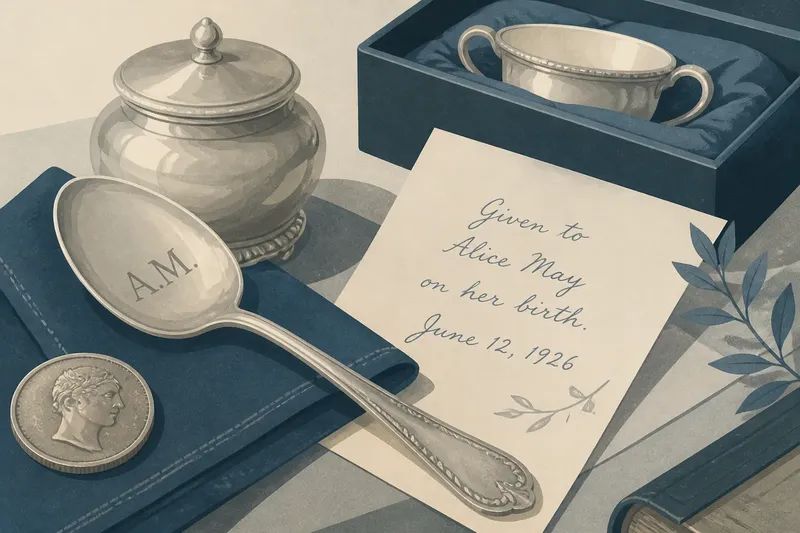
A silver coin once passed across a counter; a silver tea caddy might now sit on a shelf beside a handwritten family note. From coin to heirloom, silver’s changing role reflects what different people and communities have asked it to represent, not a single path followed everywhere.
That distinction can help when you inherit, receive, or encounter a silver object. Its place may depend on whether you want a usable possession, a marker of memory, or an object to understand and preserve as part of a wider history.
Silver as exchange
In many societies and periods, silver coins served as money because their material and markings could be recognized and handled. Their use was never uniform: coinage systems, standards, and everyday access differed, and silver also circulated alongside other forms of money and exchange.
Coins could connect silver with wages, purchases, gifts, and savings, but the details depended on place and time. In a transaction, a coin’s accepted value came through the conventions and authority behind its issue as well as its metal; it did not require the buyer to know who had owned it before.
If you have a coin that may be old or collectible, treat it first as an object with a history, not as scrap material. Its markings, condition, and context can matter, so avoid polishing or altering it before you understand what it is.
Objects that hold memory
As silver took the form of tableware, jewelry, and presentation pieces, its role could become more personal. A spoon might be used at meals and later kept because it was given at a birth; a cup might mark a school, family connection, or occasion someone wanted remembered.
Commemorative objects can carry both public and private meanings. An inscription or emblem may identify an occasion, while the person who kept the object adds an intimate history. In time, that attachment may matter more to a family than the original occasion or the object’s material value.
Not every old silver object is an heirloom, and an heirloom need not stay untouched. Ask who remembers it, what they remember, and whether the object still has a place in their lives.
Choosing an object’s role
If you are deciding what to do with silver, start with the role you want it to play. A piece can fit more than one category, but choosing a primary purpose can make the next decision clearer.
- You have a coin with uncertain age or markings: Check its date, design, and visible condition; if those details suggest a collectible issue or remain unclear, keep it intact and seek identification, but if it appears to be an ordinary modern coin, decide whether you want to keep or pass it on.
- You received a piece with a family story: Check which relatives can identify the people or occasion; if someone recalls a connection, write down their name and account, but if no one knows, record that uncertainty rather than presenting a guess as fact.
- You want a useful household object: Check that its form suits the task and that you are comfortable handling it; if both are true, use it in your routine, but if not, keep it as display or consider another recipient.
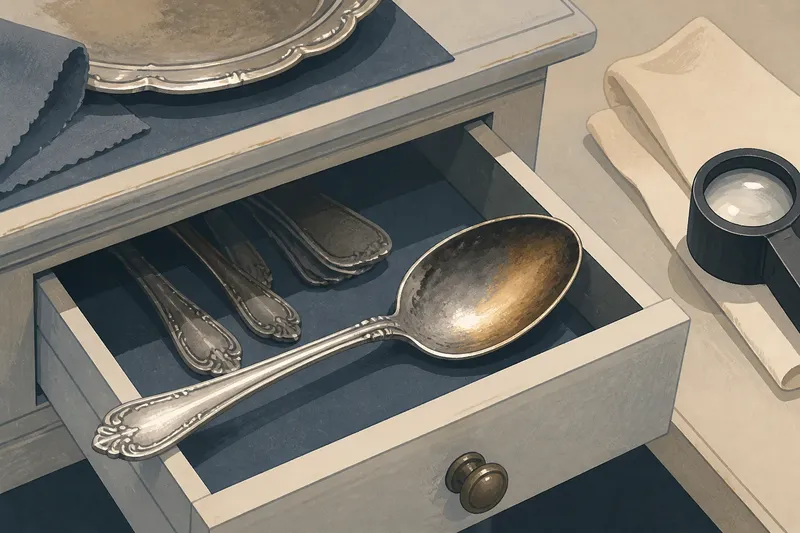
- You inherited a group with no clear history: Check each piece for type, inscriptions, and visible marks; if a clue points to a person or occasion, set that piece aside for further identification, but if no clue appears, decide whether its practical use or appearance merits keeping.
- You are considering sale or donation: Check whether relatives want the object and whether its identity is clear; if a family member has a specific connection, discuss transfer first, but if no one wants it, consider a deliberate sale or donation after identification.
- You want to preserve an object’s story: Check which details are known and who supplied them; if a detail is remembered firsthand, note its source, but if it is uncertain, label it as uncertain in the record.
Say you inherit a serving spoon engraved with the initials “A.M.” and have no other information. You set it aside, ask relatives whether they recognize the initials, and write down each answer with the speaker’s name; if a relative connects the initials to a person or occasion, you can preserve that account with the spoon, while if nobody recognizes them, you can judge the spoon by its use or appearance without inventing a family link.
What does its past tell you?
How can I distinguish a coin from a keepsake?
Look at its form and markings, then consider how previous owners stored or described it. A coin was made to circulate, while an inscription, presentation case, or family account may point to a commemorative role; none of these clues alone establishes its full history.
Does an heirloom have to be valuable?
No. A modest object can carry a strong family connection, while an expensive piece may have little personal meaning for its current owner. Treat emotional significance and market value as separate questions.
Should inherited silver stay in the family?
There is no single right answer. If several relatives care about the object, discuss who will keep it and what they know; if no one wants it, a considered sale or donation may be reasonable.
How do I preserve an object’s story?
Write down what you know, identify who supplied each detail, and keep the note with a photograph or storage record. Mark uncertain details as uncertain rather than turning a family guess into a firm account.
Use and memory together
Silver’s movement from exchange material to personal possession did not erase its earlier role. A coin might be saved, gifted, or inherited, just as a household object might be sold or passed beyond a family; people keep changing what an object is for.
When weighing an object’s place in your life, begin with its condition, known history, and the people who care about it. From coin to heirloom, silver’s changing meaning becomes clearest in those small decisions: keep it moving, put it to use, or preserve the story that now belongs to it.