Why Silver Feels Cool Before It Feels Precious
Why silver feels cool comes down to how quickly it draws heat from your skin; learn what that sensation means and how to choose objects by touch.

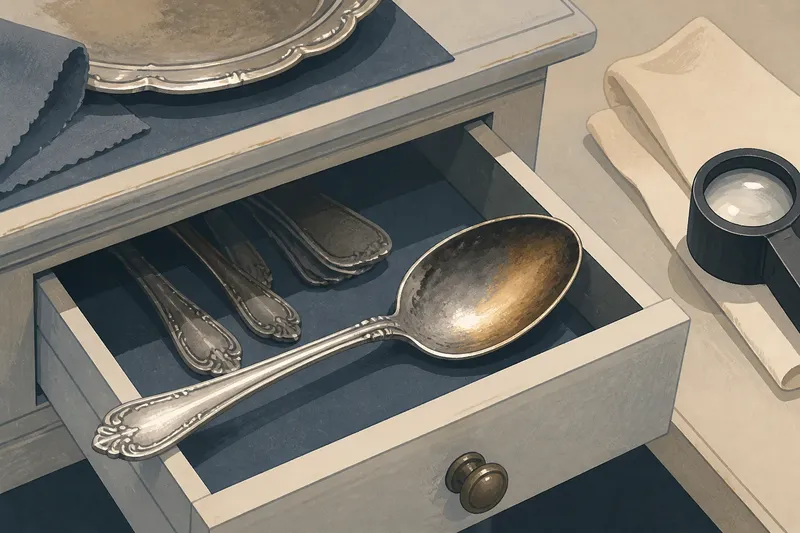
You lift a silver-colored spoon from a drawer, and its handle feels brisk against your fingers before you notice its shine. Why silver feels cool has less to do with preciousness than with heat moving between your skin and the object. Touch can make a material feel distinctive, but it cannot tell you what the object is made of.
Heat moves quickly
Your skin is warmer than a spoon sitting in a cool room. When the two meet, heat flows from your hand into the spoon; silver conducts heat readily, so that energy spreads away from the small patch touching you. The result is a swift, noticeable chill.
Compare that with a wooden spoon kept beside it. Wood conducts heat poorly, so the contact area changes temperature more slowly and feels less startling. The room and both objects may be at the same temperature, yet the first touch tells a different story.
This sensation is about the pace of heat transfer, not an object’s ability to stay cold forever. Hold either item long enough and the initial contrast fades as the surfaces and your skin approach a more similar temperature.
Three touch experiences
Silver’s characteristic feel makes more sense when set beside other everyday materials. The comparison is useful for choosing a spoon, pendant, or small desk object for the way it feels in the hand—not for deciding whether it contains silver.
- Silver: It often feels cool at first contact because heat leaves your skin and spreads through the metal. A thin handle can warm quickly in the fingers, while a broader piece may keep drawing heat from a larger area.
- Wood: Its low heat conduction usually makes contact feel gentler, even in a cool room. A wooden handle may suit someone who wants a less abrupt sensation while eating or working.
- Glass or ceramic: These can feel cool too, especially when their surfaces are smooth and at room temperature. They do not conduct heat like silver, so the sensation may develop differently; thickness, shape, and how much of the surface touches your skin all matter.
Shape changes the experience as much as material. A narrow ring or spoon stem touches a small area, while a wide cuff or serving handle presses more surface against the hand. Edges, texture, and a loose or snug fit also influence what your fingers notice.
Choosing by feel
Think first about the moment of contact. For a ring worn throughout the day, the initial coolness may matter less than its weight, fit, and the way its edges meet your fingers. For a spoon picked up briefly, that first cool touch may be part of its appeal—or an irritation.
Say you are choosing between a silver-colored tea spoon and one with a wooden handle. If you prefer a quick, cool sensation and a slim metal grip, the all-metal spoon may suit you. If you would rather have a warmer-feeling hold, the wooden handle is likely the more comfortable choice; either way, appearance and touch do not establish the spoon’s composition.
For an object meant to be handled often, try its weight and shape in your own hand when possible. A cool surface can feel crisp and satisfying, but a thick handle or sharp edge may overshadow that first impression. Choose the whole object, not a single sensation.
Touch questions?
Does silver feel colder than steel?
It can, but the sensation depends on the particular objects and conditions, including their temperature, size, and shape. Different metals conduct heat at different rates, so a simple touch comparison is not a dependable ranking in every situation.
Does silver warm up in your hand?
Yes. Heat passes from your skin into the object, and the surface in contact with you can become less cool as you hold it. The feeling may change over time, especially with a small piece that has little material beyond the contact area.
Can touch identify real silver?
No. A cool sensation can result from several materials and from the object’s form and surroundings. If composition matters for a purchase or repair, rely on appropriate documentation or ask a qualified jeweler rather than treating touch as a test.
Why does a silver-colored object feel cool?
It may be made from another metal or from a coated material that still transfers heat from your skin. Surface color describes appearance, not necessarily the material beneath it.
When the chill changes
A silver object does not always greet your hand with the same sensation. A piece kept in a warm room may feel less cool than one left on a stone counter, and a pendant worn beneath clothing may already be close to body temperature. Your fingers also register contact differently after handling a warm mug or stepping in from cold air.
Surface finish and construction add further variation. A hollow handle, a solid handle, and a silver-colored coating can each feel different because their shape and material affect how heat travels. Those differences are useful clues to comfort, but they still do not confirm what lies beneath the surface.
A better way to choose
Use touch to answer a practical question: do you like how quickly this object feels cool, how its weight sits in your hand, and how its shape meets your skin? For a frequently handled item, comfort over a few ordinary motions may matter more than the first instant of contact. For a decorative piece, you may care more about the brief, crisp greeting.
When comparing objects, hold them in similar surroundings and notice the whole experience: initial temperature, grip, edge, and balance. Keep the material question separate. Why silver feels cool is a satisfying bit of everyday physics, but the sensation is about heat moving—not proof of precious metal.
That distinction lets the cool touch remain enjoyable without asking it to do a job it cannot do. Choose by feel when feel is the point, and check composition through reliable documentation when it matters.